Choosing the Best Fixtures for Your Bathroom Remodel
Remodeling a bathroom is one of the most transformative home improvement projects, capable of redefining both aesthetics and functionality. Whether updating a primary bathroom or creating a guest space that impresses, the choice of fixtures plays a critical role in shaping the overall design. From faucets and sinks to showerheads and lighting, each element contributes to the balance between style, efficiency, and durability. Selecting the right fixtures requires more than visual appeal; it demands careful consideration of performance, material quality, and compatibility with the existing layout. With so many options available, making informed decisions can prevent costly mistakes and ensure long-term satisfaction.
Beyond mere functionality, fixtures also influence comfort, convenience, and sustainability. Modern advancements have introduced water-efficient faucets, dual-flush toilets, and smart showers that optimize both utility and environmental responsibility. Choosing fixtures that align with specific design themes—such as contemporary, traditional, or transitional—enhances the cohesive feel of the space. Properly selected fixtures also increase property value, making the investment worthwhile for homeowners and remodelers alike. This guide offers a detailed exploration of how to select the best fixtures for a bathroom remodel, providing actionable insights, expert reasoning, and practical strategies to achieve a functional, stylish, and enduring result.
1. Faucets: Functionality Meets Design
Styles and Finishes
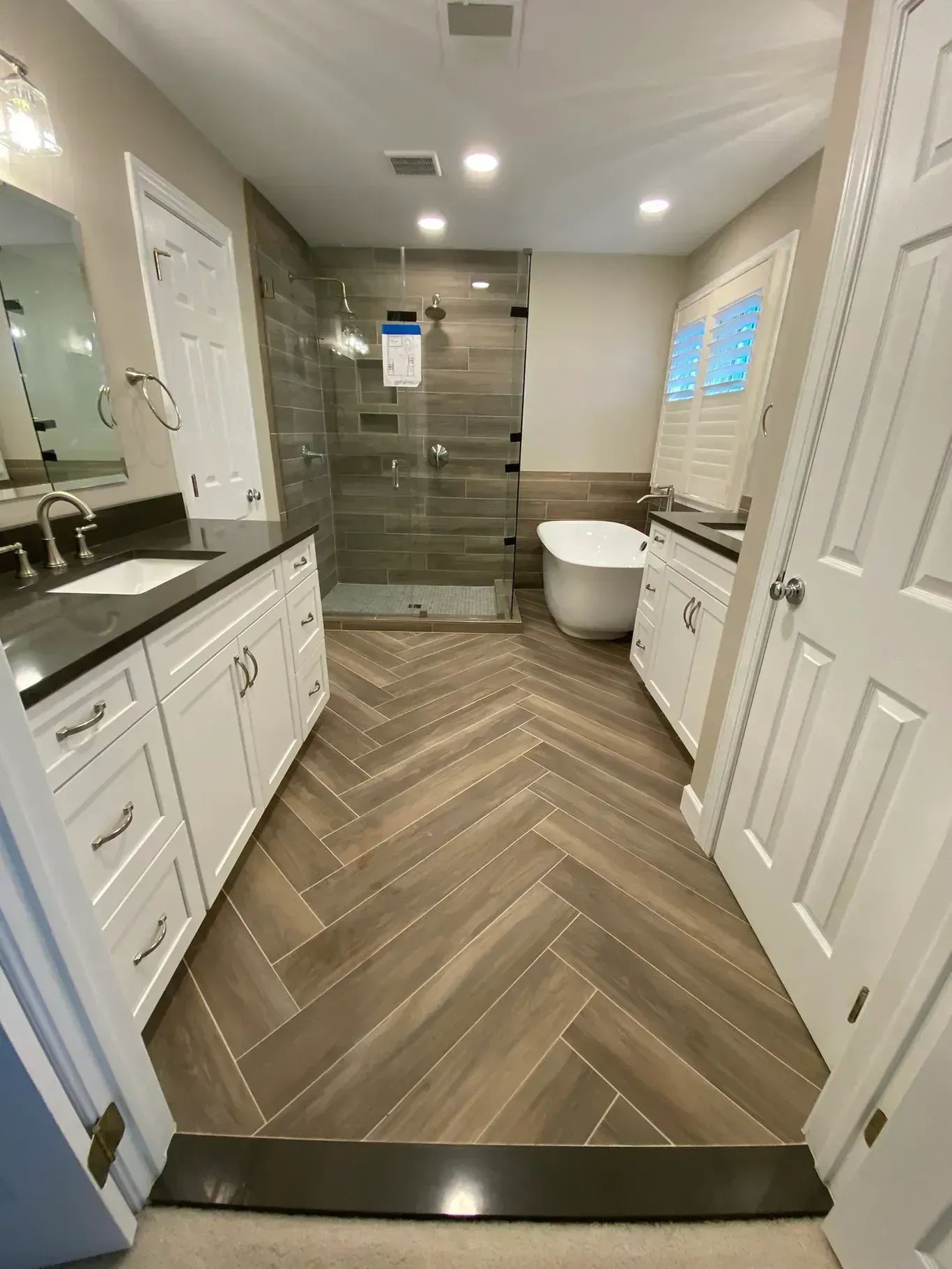
Bathroom faucets serve as both functional tools and design statements. Popular styles include single-handle, double-handle, widespread, and wall-mounted faucets. Single-handle faucets are practical, allowing precise control of water temperature with one motion, ideal for compact vanities. Double-handle faucets offer a classic appeal and are often preferred in traditional designs, giving precise control over hot and cold water separately. Widespread faucets, typically installed three inches apart, provide flexibility in placement and a refined look, while wall-mounted options free up countertop space for a cleaner aesthetic.
Faucet finishes significantly impact visual appeal and maintenance. Polished chrome remains a versatile, timeless choice due to its reflective surface and ease of cleaning. Brushed nickel offers a subtle, modern elegance and resists fingerprints and water spots better than chrome. Oil-rubbed bronze and matte black finishes provide dramatic contrast, complementing rustic, industrial, or contemporary interiors. Choosing finishes that coordinate with other fixtures ensures a cohesive design that withstands trends over time.
Material and Durability
Materials directly influence lifespan and reliability. Solid brass faucets resist corrosion and are less prone to leaks, making them a long-term investment. Stainless steel and zinc alloys can offer cost-effective alternatives but may show wear faster if water quality is poor. Ceramic disk valves inside the faucet ensure smooth operation and reduce maintenance needs. Evaluating material quality, valve type, and finish resistance prevents frequent repairs and maintains optimal performance.
Installation Considerations
Before purchasing, assess sink type, countertop thickness, and existing plumbing configurations. Certain faucets require specific deck or wall-mounting holes; measuring these accurately avoids installation delays. Modern faucets may include advanced features like touchless activation, integrated water filtration, or temperature memory, enhancing both hygiene and convenience.
2. Shower Systems: Balancing Comfort and Efficiency
- Showerhead Types:- Shower systems are central to bathroom functionality and comfort. Standard fixed showerheads offer simplicity and consistent flow, while handheld showers provide flexibility for cleaning and targeted water application. Rainfall showerheads simulate natural rainfall for a spa-like experience, often requiring higher water pressure. Dual-function systems combine fixed and handheld options, offering adaptability for households with multiple users.
- Water Efficiency and Performance:- Efficiency is a critical factor in contemporary remodels. WaterSense-labeled showerheads reduce water usage without sacrificing performance. Adjustable flow rates and spray patterns help maintain comfort while conserving resources. Evaluating water pressure ensures selected fixtures deliver optimal coverage without requiring costly plumbing upgrades.
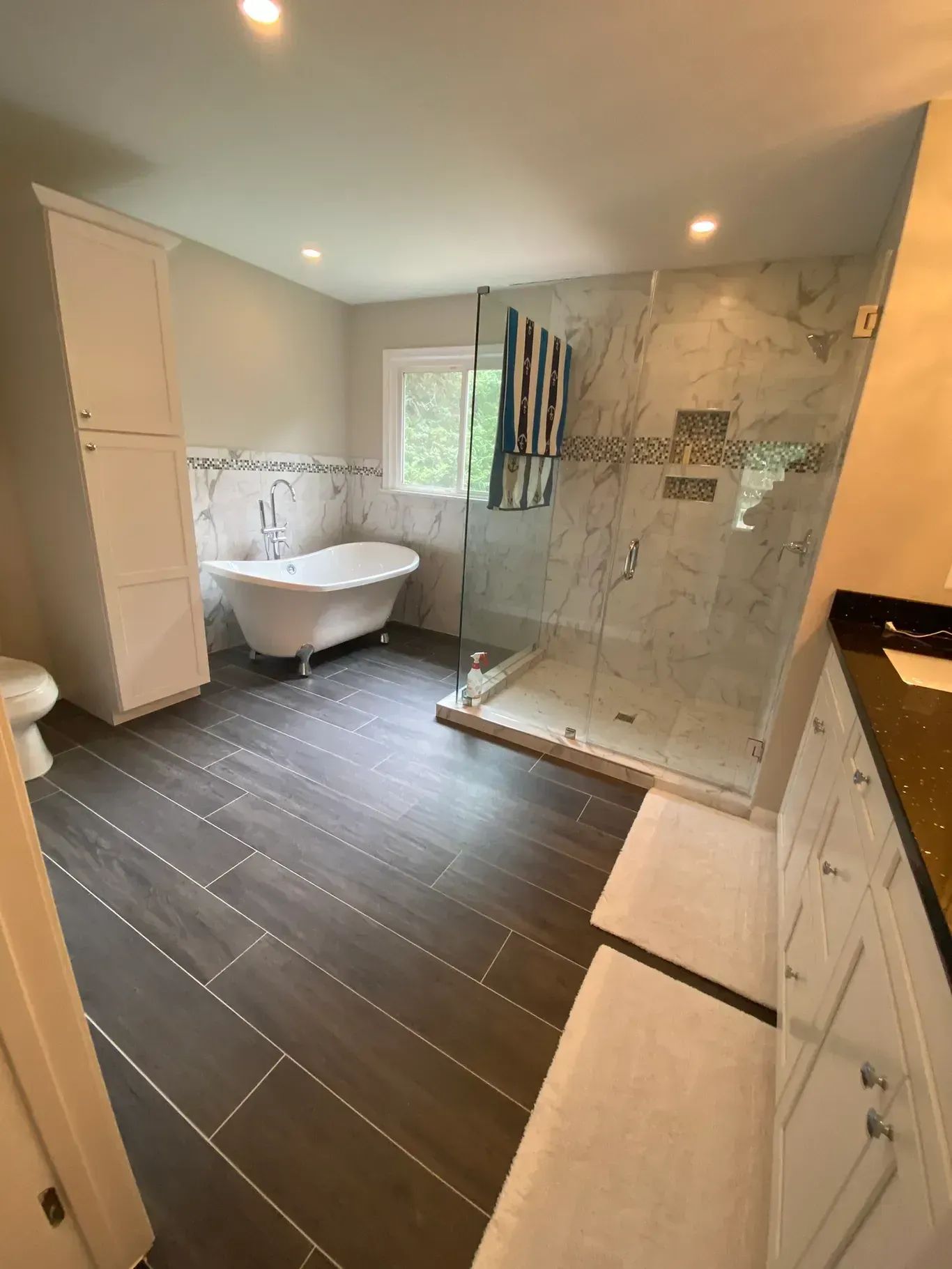
- Design Integration:- Shower finishes should complement overall bathroom design. Chrome and polished nickel offer modern shine, while brushed or matte finishes provide understated elegance. Frame styles and enclosure choices, such as glass panels, frameless doors, or tiles with integrated niches, affect visual appeal and functionality. Incorporating storage options like built-in shelves or corner caddies prevents clutter and improves daily usability.
- Maintenance and Longevity:- Materials and design impact ease of cleaning and durability. Anti-lime coatings and removable spray nozzles reduce mineral buildup, extending fixture life. Selecting corrosion-resistant metals and durable finishes prevents discoloration and maintains appearance over years of daily use.
3. Sinks and Vanities: Combining Practicality with Style
Sink Types
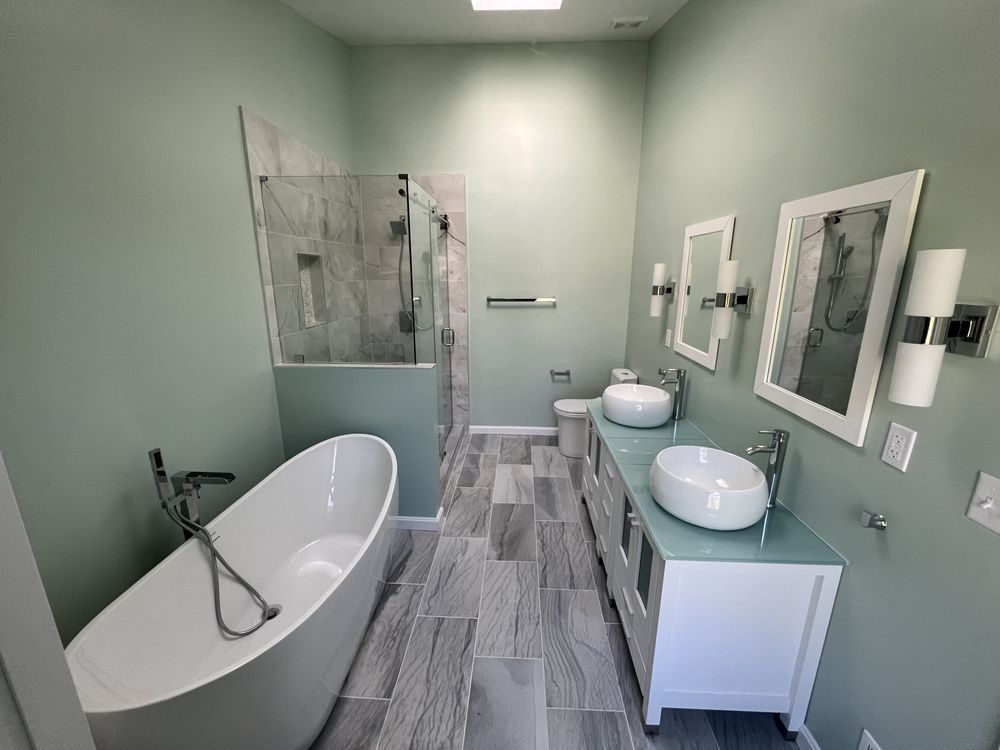
The sink is a focal point in any bathroom remodel, balancing functionality and aesthetics. Popular styles include undermount, vessel, pedestal, and integrated sinks. Undermount sinks offer a seamless look and simplify countertop cleaning. Vessel sinks sit above the counter, creating a striking visual statement, while pedestal sinks save space in compact bathrooms. Integrated sinks, combining basin and countertop, streamline design and reduce water leakage risks.
Vanity Styles and Storage
Vanities complement sink choice while providing essential storage. Floating vanities enhance visual space and modern appeal, whereas traditional cabinetry adds warmth and storage versatility. Selecting the right size and configuration prevents overcrowding, ensures accessibility, and accommodates plumbing requirements. Drawers with soft-close mechanisms, adjustable shelving, and built-in organizers improve usability and maintain clutter-free surfaces.
Material Selection
Vanity materials affect durability, moisture resistance, and long-term appearance. Solid wood or high-quality plywood resists warping, while MDF and laminate offer cost-effective options for budget-conscious remodels. Countertop materials—such as quartz, granite, or solid surface—balance aesthetics with durability. Non-porous surfaces reduce staining and facilitate easier cleaning, extending the life of both the sink and countertop.
4. Toilets: Efficiency Without Compromising Comfort
- Toilet Types:- Selecting the right toilet ensures comfort, hygiene, and water efficiency. One-piece toilets provide a streamlined appearance and simplify cleaning, while two-piece models offer easier repair access and a lower initial cost. Wall-mounted toilets maximize floor space and create a modern, minimalistic look, though installation requires reinforced walls and specialized plumbing.
- Water Efficiency:- Modern toilets prioritize water conservation. Dual-flush systems allow users to select between a full flush for solids and a reduced flush for liquids, significantly reducing water consumption. Low-flow toilets maintain effective flushing performance while conserving hundreds of gallons of water annually, lowering utility bills and environmental impact.
- Height and Comfort Considerations:- Comfort-height toilets, slightly taller than standard models, facilitate easier use for adults and seniors. Round bowls suit compact bathrooms, while elongated bowls enhance seating comfort. Evaluating bathroom layout, user needs, and accessibility requirements ensures optimal functionality for every household member.
5. Lighting Fixtures: Enhancing Function and Atmosphere
Types of Bathroom Lighting
Lighting plays a crucial role in both aesthetics and functionality. Layered lighting improves visual appeal and usability. Ambient lighting provides general illumination, often through ceiling-mounted fixtures or recessed lights. Task lighting, such as sconces beside mirrors or LED strips under cabinets, ensures adequate brightness for grooming and makeup application. Accent lighting highlights architectural features or decorative elements, adding depth and character.
Energy Efficiency and Smart Options
Energy-efficient lighting reduces costs while promoting sustainability. LED bulbs offer long lifespans, low heat output, and a wide range of color temperatures. Smart lighting systems provide adjustable brightness, color control, and scheduling, enabling users to create different moods and enhance energy management.
Fixture Design and Placement
Fixtures should complement bathroom style while addressing functional needs. Modern chrome or brushed nickel finishes suit contemporary spaces, while matte black or antique brass supports transitional or classic themes. Correct placement eliminates shadows and glare, ensuring safe, comfortable, and visually pleasing illumination.
6. Accessory Fixtures: Completing the Bathroom Ensemble
- Towel Bars, Hooks, and Holders:- Accessories play a significant role in organization and convenience. Towel bars, hooks, and rings keep linens within reach, promoting hygiene and reducing clutter. Coordinating finishes with primary fixtures ensures a harmonious design. Adjustable or wall-mounted options offer flexibility for bathrooms of varying sizes.
- Shower Doors and Enclosures:- Glass shower doors provide a clean, modern appearance while containing water effectively. Frameless designs enhance openness, while framed or semi-frameless doors offer additional support and durability. Sliding doors suit narrow bathrooms, whereas swinging doors provide easier access in larger layouts. Careful selection and professional installation prevent leaks, maintain safety, and enhance aesthetics.
- Additional Functional Fixtures:- Other fixtures, such as soap dispensers, toilet paper holders, and niche storage, contribute to a polished, user-friendly space. Incorporating features like built-in shelves or recessed storage in showers keeps essentials accessible without sacrificing style. Ensuring all accessories align with design and finish choices enhances cohesion and functionality.
Expert Fixture Guidance From Experienced Remodel Professionals
Selecting the right fixtures for a bathroom remodel requires a strategic balance of functionality, durability, and visual appeal. Faucets, sinks, showers, toilets, and lighting each play a role in creating a space that is efficient, comfortable, and aesthetically pleasing. Considering material quality, water efficiency, ergonomics, and design consistency ensures fixtures perform well and stand the test of time. Properly chosen accessory fixtures and storage solutions further enhance usability, keeping the space organized and harmonious.
At HOM Design & Build Inc., we bring 15
years of remodeling expertise to every project in Fairfax, Virginia. Our experience in bathroom renovations ensures precise fixture selection, seamless installation, and design integration tailored to each home’s unique needs. By prioritizing quality, functionality, and style, we transform bathrooms into spaces that are both practical and visually stunning. Homeowners can trust us to provide professional guidance, reliable execution, and enduring results that elevate everyday living while reflecting personal style and modern standards.